
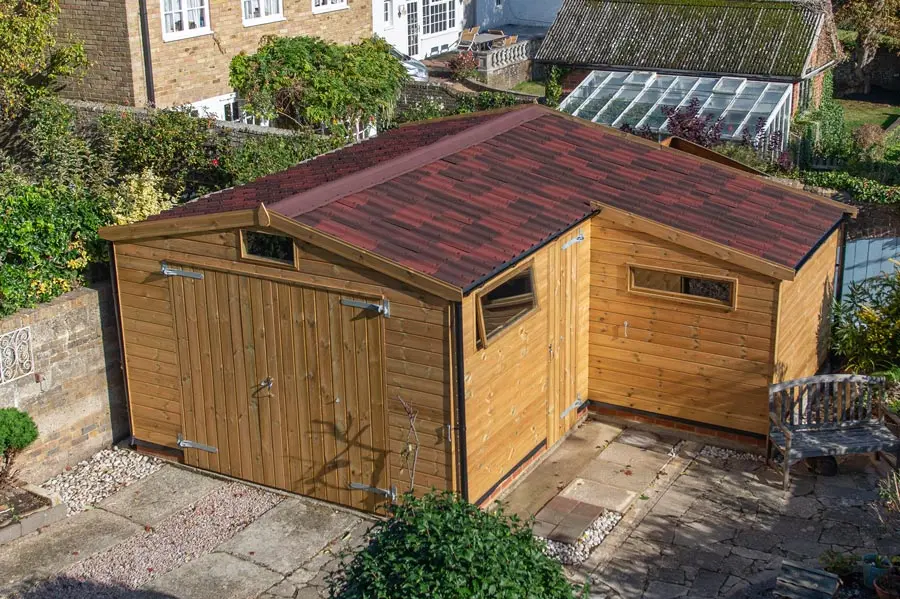
Best Ways to Heat A Timber Garage In The UK
What's the Best Way to Heat a Timber Garage?
The best way to heat a timber garage is to combine good insulation with the right type of heater.
Electric heaters are a good all-round choice, infrared heaters warm specific areas, and panel heaters are useful for keeping the chill out.
At a Glance
- Insulate the garage before adding heating
- Seal draughts around doors and windows
- Choose a heater that's the right size for your space
- Ventilate the space to help keep condensation under control.
Why Do Detached Garages Feel So Cold?
Because they're separate from the house, all four walls are exposed to the weather, so they lose heat much more quickly.
They also often have little or no insulation, large doors and small gaps that let cold air in.
If you're planning a workshop as well as a garage, this case study shows how one of our customers combined both in a single building.
Why Insulation Comes First
A well-insulated garage is easier to heat because it keeps more of the warmth inside. That means your heater won't have to work as hard, the space will stay warmer for longer, and running costs are likely to be lower.
The Energy Saving Trust explains how improving insulation can reduce heat loss and improve energy efficiency.
If you're planning to use your garage as a workshop, home gym or hobby space, insulation can also help reduce condensation and make it more comfortable throughout the year. Find out more in this article about insulating a garage or workshop.
Where Do Garages Lose the Most Heat?
The main garage door is often the biggest source of heat loss because of its size and the small gaps around the edges.
Heat also escapes through the roof or ceiling, while draughts around windows, doors and vents can make the garage feel colder.
These are the first places worth checking if your garage doesn'ìt stay warm.
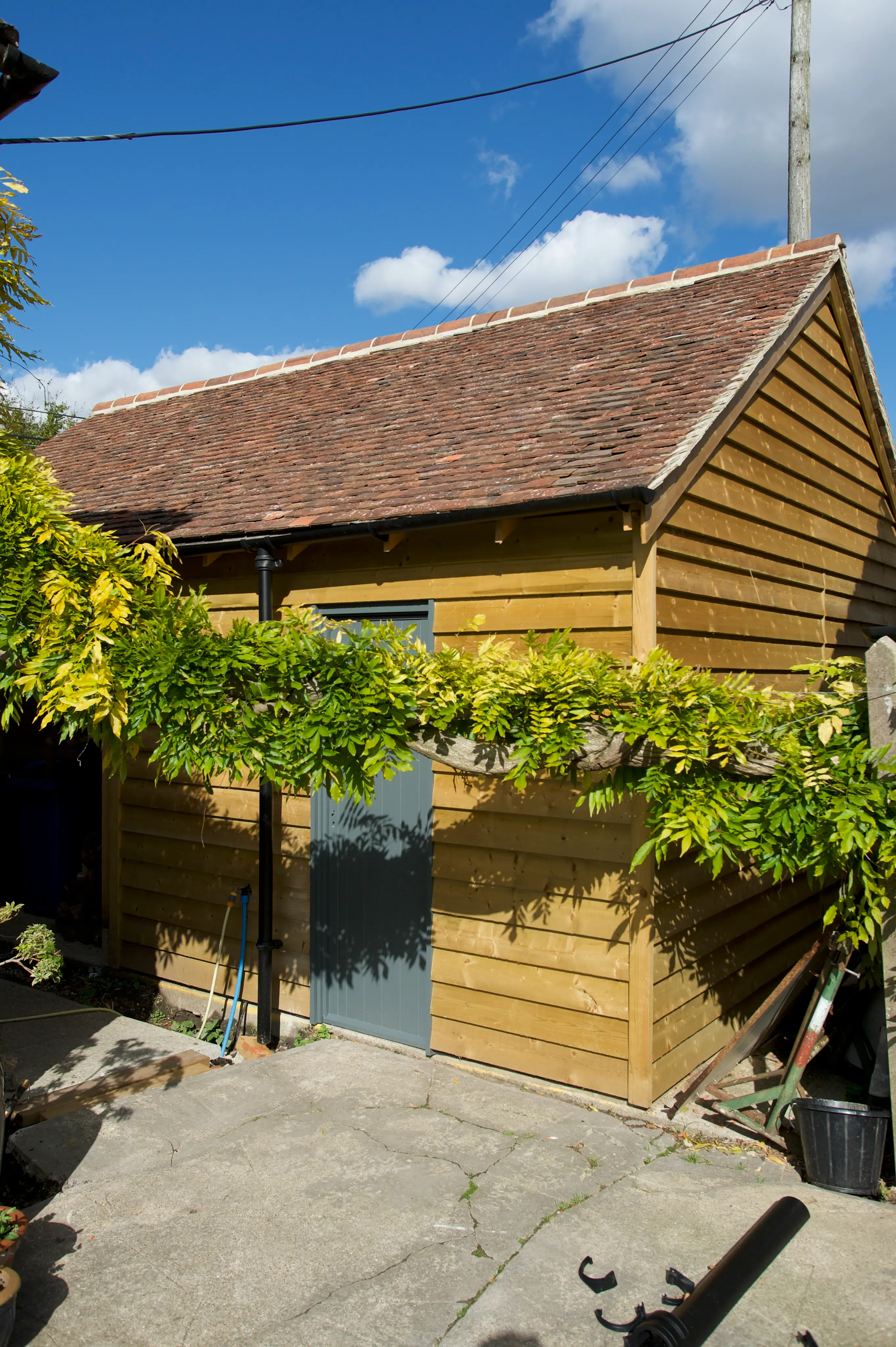
What's the Most Cost-Effective Way to Heat a Garage?
Many people choose low-wattage electric or infrared heaters because they only heat the area you need.
How much it costs to heat your garage depends on the type of heater you choose, how often you use it and how much heat the building loses.
How to Choose the Right Garage Heater
For most timber garages, these are the best options:
- Panel heaters: A good choice if you want to keep the garage at a steady, comfortable temperature
- Infrared heaters: Heat people and objects rather than the air, making them ideal if you only want to warm the area you're working in
- Fan heaters: Quickly blow out warm air, so they take the chill off before you start work.
Before you choose a heater, think about:
- How you'll use the garage: If you're only popping in every now and then, your heating needs will be different to someone using the space as a workshop
- Whether it's suitable for garages: garage and workshop heaters can better handle dust, damp and temperature changes
- Your power supply: Check that your electrical supply is suitable for the heater you choose, especially for higher-powered models
- Where you'll put it: Leave enough space around the heater and keep it away from walls, tools and anything that could be damaged by heat
- Ventilation: Airflow helps reduce condensation and keeps the garage feeling drier.
Bonus tip: If you use your garage regularly, choose a heater with a built-in thermostat or timer. It can help keep the temperature comfortable without leaving it running longer than you need.
If you're installing a new electrical circuit, electrical work should comply with Approved Document P: Electrical Safety.
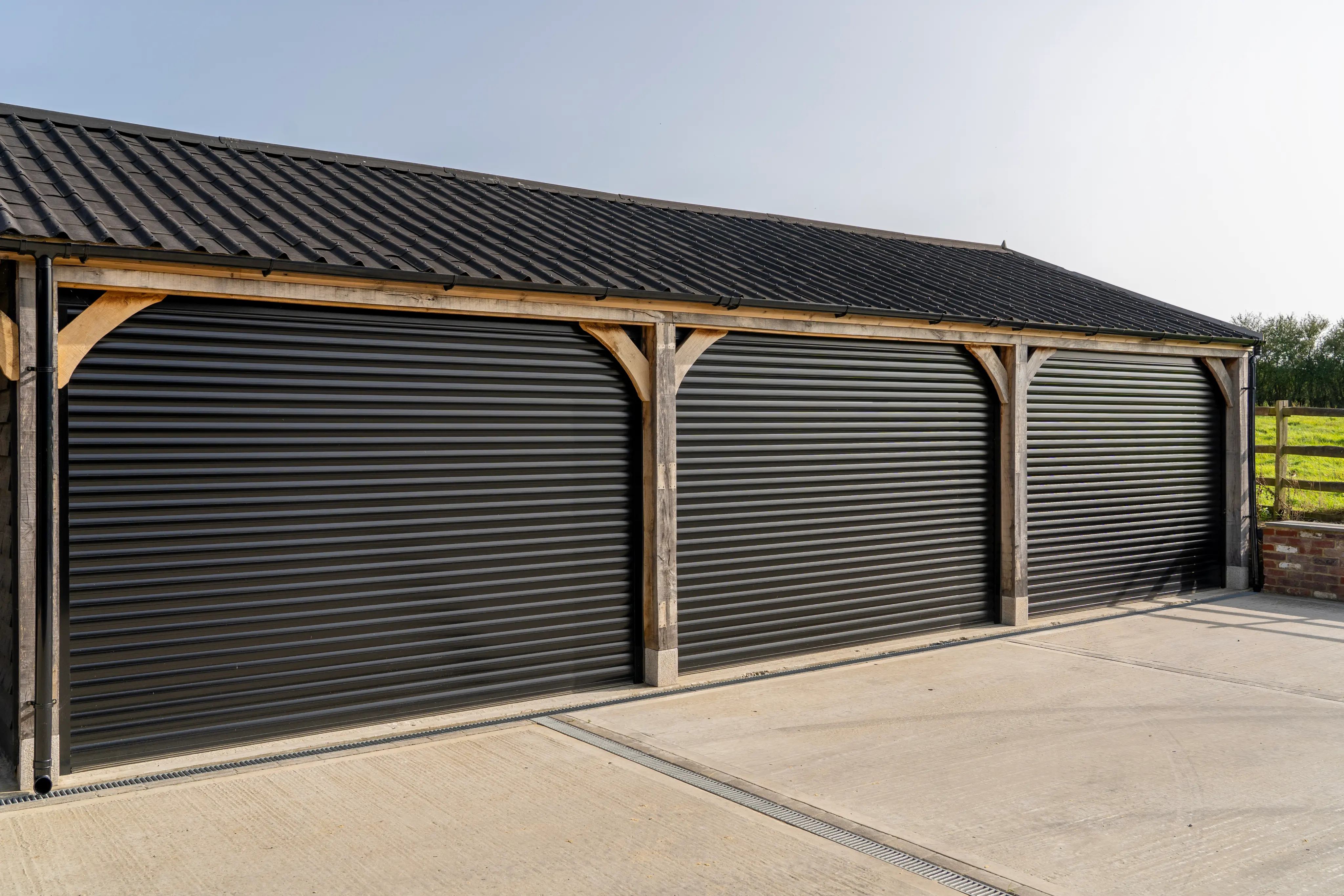
Build a Garage That's Comfortable Year-Round With Olson
At Olson Timber Buildings, we build bespoke timber garages that can be insulated and tailored to suit the way you use them, whether that's for parking, a workshop, a home gym or extra storage.
Take a look at our range of timber garages, or get in touch with our team for friendly advice about your project.
If you're still planning your project, you might also find our guide on how to stop a detached garage looking like an afterthought helpful. It explains how to design a garage that looks like it belongs with your home.
Frequently Asked Questions About Heating a Timber Garage
How Cold Does a Garage Get in Winter in the UK?
An uninsulated garage is usually only a few degrees warmer than the outside temperature. If it's exposed to the wind or has gaps around the doors, it can feel almost as cold as being outside.
What's the best temperature for a garage workshop?
That depends on how you use the space, but many people find a temperature of around 15-18°C comfortable for DIY, hobbies and general workshop use.
Can you heat a garage with an electric heater?
Yes. Electric heaters are one of the most popular choices for garages because they're easy to install and don't need a flue or fuel storage. Just make sure you choose a heater that's suitable for use in garages or workshops.
Is it safe to use a heater in a garage?
Yes, as long as it's installed and used according to the manufacturer's instructions. Keep heaters away from flammable materials and leave enough space around them for good airflow.
Can I leave a garage heater on all the time?
Some electric heaters are designed to provide background heat, while others are intended for short-term use. Always follow the manufacturer's instructions and never leave a heater running unless it's designed to be used that way.
Will heating a garage stop condensation?
Heating can help, but it's usually more effective when combined with good insulation and ventilation. Without ventilation, warm air can still create condensation as it cools.
Can I heat my garage without insulating it?
Yes, but it will usually take longer to warm up and cost more to heat. Even basic insulation and draught-proofing can make a noticeable difference to how well your garage holds heat.