


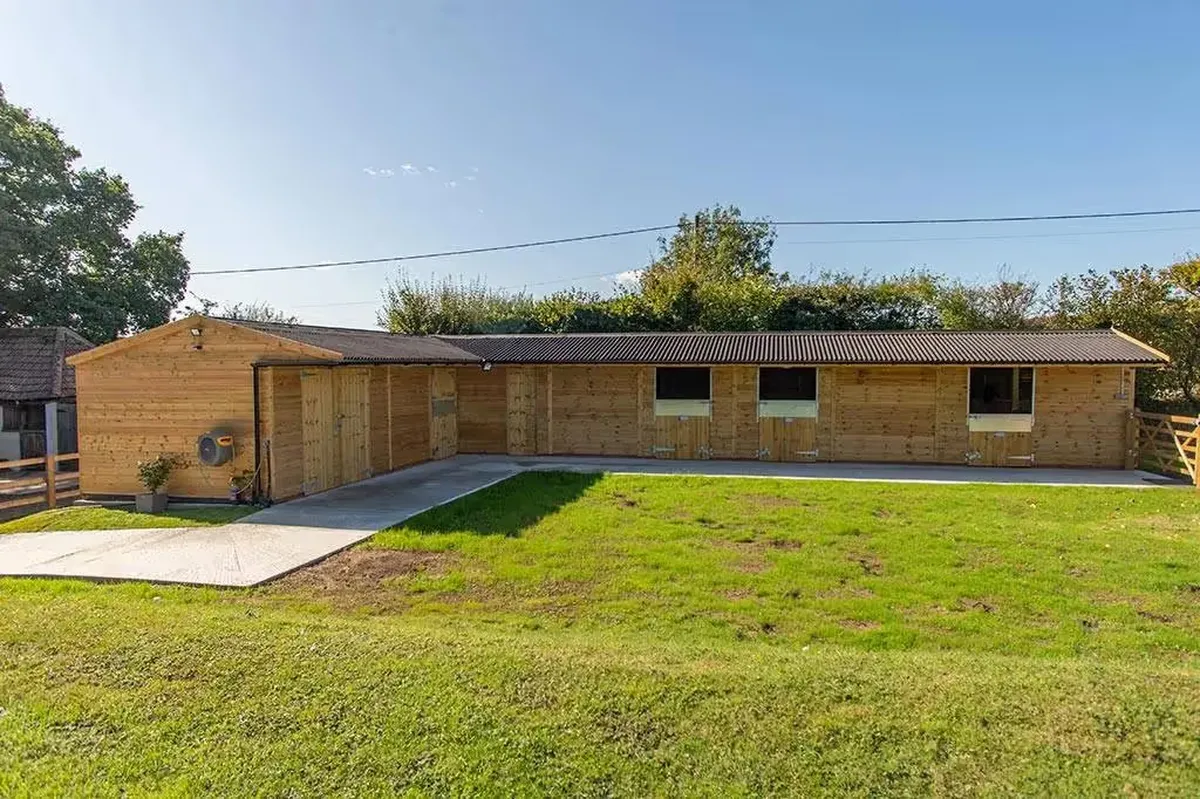
Do You Need Planning Permission for Horse Stables in the UK?
Does permitted development apply to stables?
In most cases, no. Private horse stables are usually treated as equestrian use rather than agriculture, which means standard permitted development rules don’t apply. This is where a lot of confusion comes from.
Unless the stables are clearly part of a working agricultural operation, permitted development is unlikely to apply.
At a Glance
- Fixed horse stables usually need planning permission
- Mobile stables and field shelters may not need permission if they're genuinely mobile and temporary
- Planning decisions depend on the location, size, access and impact of the stables
- Always check with your Local Planning Authority before building.
Do I need planning permission for a horse stable?
It’s very likely. There are exceptions, but they’re uncommon.
This is why building stables without planning permission can be risky. If you’re in doubt, it’s always worth checking with your local planning authority before you start. It’s much easier to adjust a plan than deal with issues once the stables are already in place.
For more information on planning stables, head to the Planning Portal.
Do mobile stables and field shelters avoid planning permission?
Often, yes, but only if they meet certain conditions.
To be considered genuinely mobile, a stable or shelter typically needs to sit on skids, have no fixed base, and be capable of being moved without being taken apart.
Use still matters. If it stays in one place long-term, is connected to services, or forms part of a more permanent setup, a local authority may still treat it as development.
In short, “mobile” doesn’t guarantee anything. Mobile stables planning permission depends on how they’re built and used. If they look and function like permanent stables, planning permission is likely to be required.
Can you put a stable in your garden?
You can, but it’s not straightforward.
Adding stables to residential land usually means a change of use, which almost always requires planning permission.
Even a small setup can affect neighbours through noise and smell, which can lead to objections.
Space can also be a limiting factor. You need enough room for vehicle access and space to move horses safely.
If you plan to add stables to your garden, make sure they are well-positioned and low-impact, so you have better chances of approval.
How much land do you need for stables?
There’s no fixed legal minimum. A common rule of thumb is around 1 to 1.5 acres per horse. This isn’t a planning requirement, but it’s often used as a guide for horse welfare.
Too little space can raise concerns about overgrazing, mud, drainage, and how heavily the land will be used.
In practice, the more space you have, the easier it is to demonstrate that the stables will work well without putting pressure on the land or the surrounding area.
What affects planning approval for stables?
Approval usually comes down to how well the stables fit the site and area around them.
Location and setting
Where you place the stables makes a big difference. Open or more sensitive areas are checked more closely, especially if the building is visible from roads, paths, or nearby homes.
Positioning them near existing buildings, hedges, or natural screening can strengthen your chances of approval.
Size, scale and layout
Stables that are too large or out of proportion are more likely to be refused.
A compact layout that follows the site and keeps buildings grouped usually works better than spreading them out.
For more information on planning the right size for your stables, read this article.
Access and day-to-day use
Planners will look at how the site works in practice. That includes access, turning space, parking, and how horses move between the stable, turnout, and storage areas.
If access is awkward or likely to cause disruption, you may have to modify your plans.
Impact on neighbours
Even in rural areas, nearby homes still matter. Noise, smell, lighting, and general activity can affect the decision.
Keeping stables a reasonable distance away and avoiding placing them where they’re clearly visible from nearby homes can help reduce objections.
Drainage and waste management
Finally, don’t overlook drainage and waste. Mud, runoff, and manure need to be managed properly to avoid problems on your land and nearby.
Include drainage and muck storage plans in your application to show that the setup will work long term.
Stables that work with your site
Getting equestrian planning permission is often easier when you get the design right from the start.
At Olson Timber Buildings, our timber stables are built around your site and setup. From small private blocks to larger yard layouts, we can shape a build to suit your space. Our options include tack rooms, wash bays, hay storage, and flexible layouts, including L-shaped, U-shaped, or straight runs.
We also offer mobile stables and field shelters on skids, built from durable, pressure-treated timber to handle daily use and repositioning as needed.
If you’re planning stables, get in touch. We’ll help you design a block that works well for you and your horses.
Frequently Asked Questions
Can I apply for planning permission myself?
Yes. You can submit a planning application yourself through the Planning Portal, although some people choose to use a planning consultant or architect for more complex projects.
Can I build stables before planning permission is approved?
It's best not to. If planning permission is required, starting work before it's approved could lead to enforcement action or require changes to the building later.
Do I need planning permission for a tack room?
A tack room is usually considered part of the overall stable development, so planning permission may still be required. It's best to include it in your application from the start.
Can I keep horses on agricultural land without planning permission?
Keeping horses for private leisure purposes is generally classed as equestrian rather than agricultural use. Depending on how you use the land, planning permission or a change of use may be required.
Does planning permission expire?
Yes. In England, planning permission usually lasts for three years, meaning work normally needs to begin within that time. Check your decision notice for the exact conditions.

.svg)
